
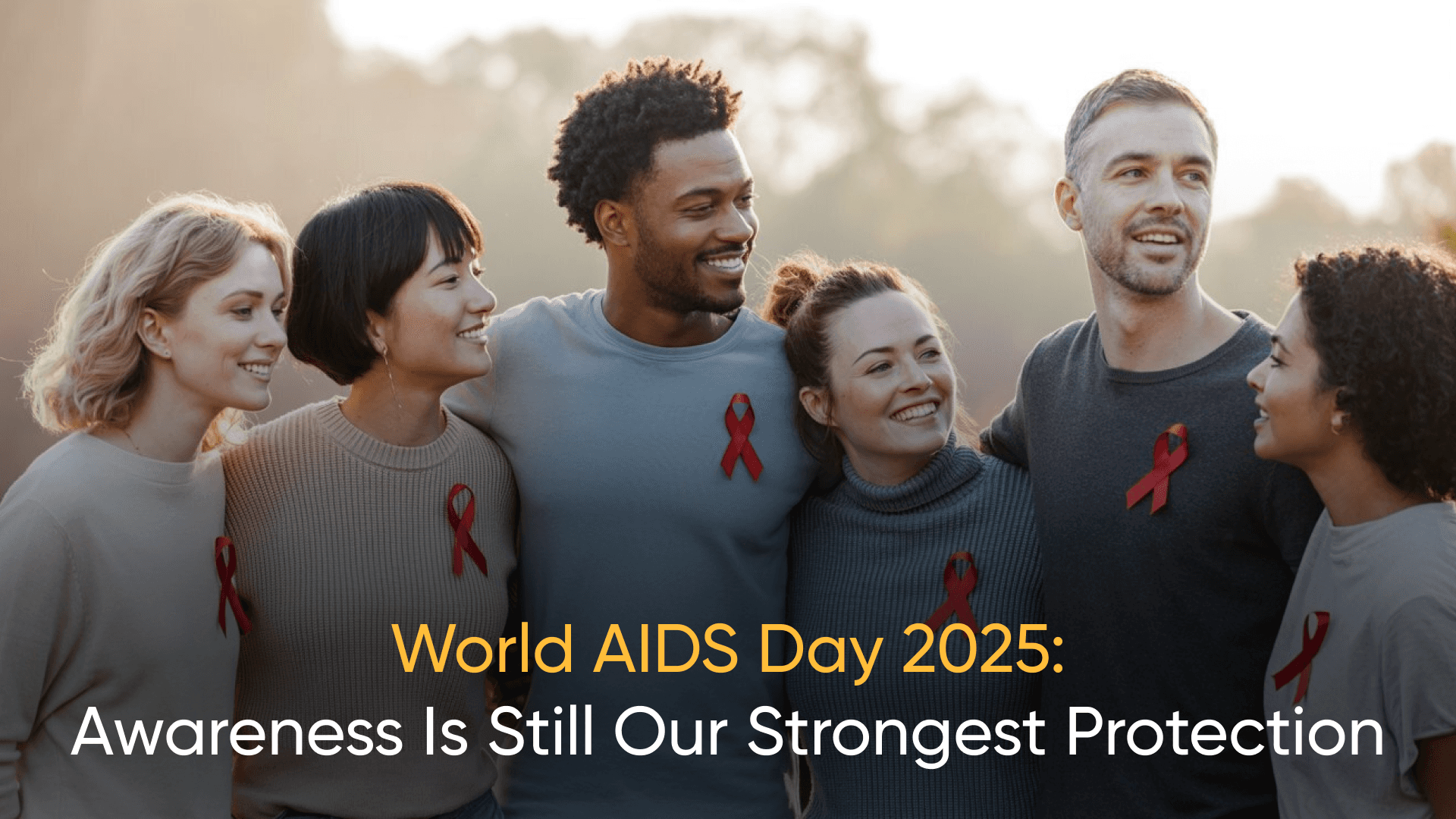
For many of us, 1st December may pass by like any other day. But for millions of people across the world, this date carries deep meaning. It marks World AIDS Day a day that reminds us of the realities of HIV, the importance of early testing, and the need for understanding over judgment.
Even today, in 2025, HIV is still surrounded by hesitation and silence. Many people avoid conversations around it. Some delay testing out of fear. Others live quietly with the condition due to social stigma. While medical science has moved forward, our mindset in many places still struggles to keep pace.
This is exactly why World AIDS Day continues to matter. Not only to spread medical awareness, but also to encourage open conversations, responsible behavior, and social acceptance.
What Is World AIDS Day and Why Is It Observed?World AIDS Day is observed every year on 1st December to:
Spread awareness about HIV and AIDS
Encourage prevention and regular testing
Support people living with HIV
Reduce fear, misinformation, and discrimination
First observed in 1988, it has become one of the most widely recognised global health awareness days. Over the years, it has helped bring HIV into public conversation and encouraged better access to diagnosis and treatment across the world.
It also serves as a moment to remember those who lost their lives to AIDS-related illnesses and to recognise the continued efforts of healthcare workers and communities.
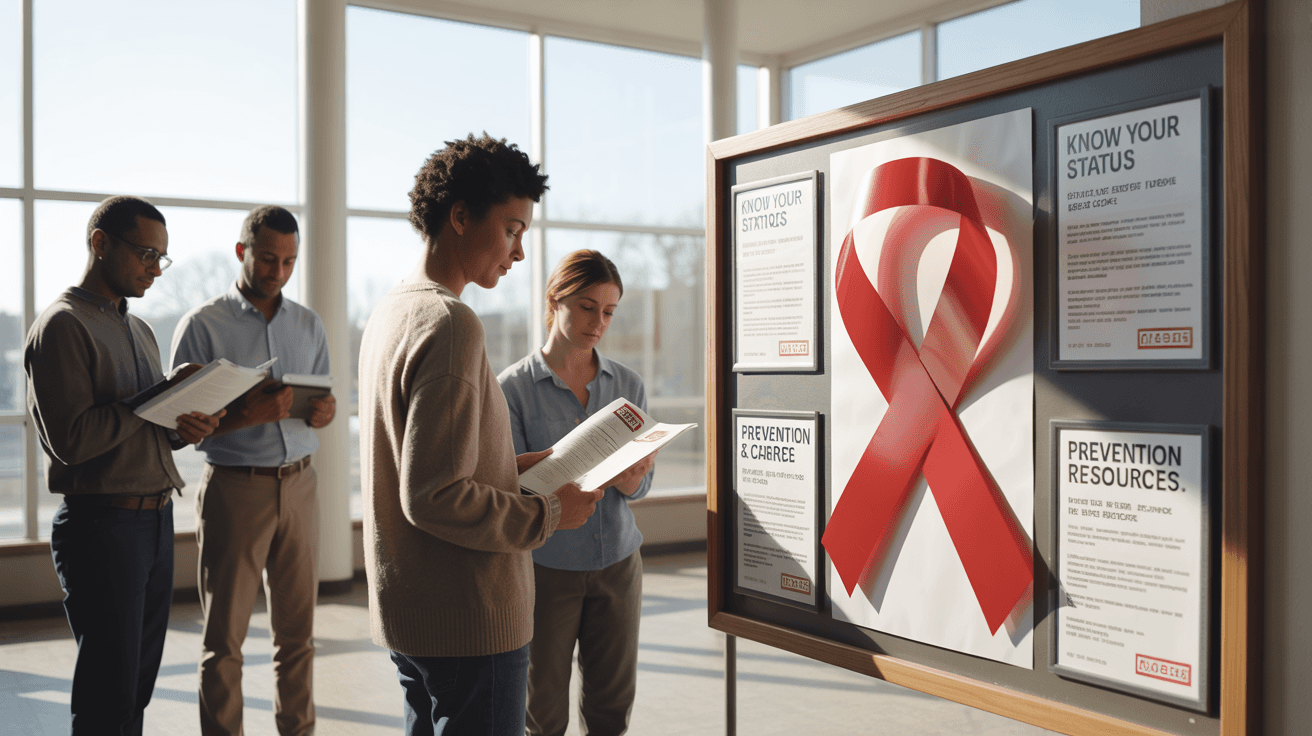
HIV is a virus that attacks the body’s immune system and weakens its ability to fight infections.
If HIV is left untreated for a long time, it can progress to AIDS a stage where the immune system becomes severely compromised.
The important thing to understand is this:
HIV can be managed with early diagnosis and regular treatment
People living with HIV today can lead long, healthy, and productive lives
Early testing plays a critical role in preventing complications
HIV spreads through the exchange of specific body fluids such as blood, semen, vaginal fluids, rectal fluids, and breast milk.
Common ways HIV transmission can occur:
Unprotected sexual contact with an infected person
Sharing contaminated needles or syringes
Transfusion of infected blood (now very rare due to strict screening)
From an infected mother to her baby during pregnancy, delivery, or breastfeeding
HIV does not spread through:
Touching, hugging, or casual contact
Sharing food, utensils, or clothing
Coughing, sneezing, or mosquito bites
Correct information is essential to prevent unnecessary fear and false assumptions.
Why Stigma Still Remains a Major ChallengeDespite growing awareness, social stigma continues to be one of the biggest barriers to HIV prevention and treatment.
Many people:
Avoid getting tested because they fear being judged
Hide their diagnosis due to social pressure
Delay treatment out of fear of being labelled
These delays often lead to avoidable health complications. When fear enters the picture, people hesitate to seek timely care, even when treatment is easily available.
Removing stigma is just as important as providing medical treatment.
What Precautions Can Help Prevent HIV?Prevention continues to be the strongest line of protection against HIV. Some important precautions include:
Practising safe sex and using protection consistently
Avoiding the sharing of needles, syringes, or injection equipment
Getting tested regularly, especially for those with higher risk exposure
Ensuring blood transfusions are done only at authorised medical centres
Pregnant women getting tested early to prevent mother-to-child transmission
Following proper safety measures in hospitals, clinics, and diagnostic centres
Responsible behaviour, along with correct awareness, plays a vital role in reducing new infections.
On this World AIDS Day 2025, the message remains simple and clear — early testing, correct information, social acceptance, and responsible behaviour can significantly reduce the impact of HIV.
HIV is a manageable condition today. But it can only be managed when people feel safe enough to come forward without fear or stigma.
Awareness is not just information. It is protection.